What we manufacture
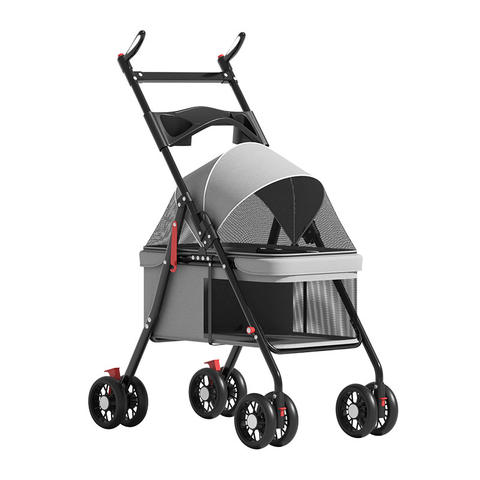
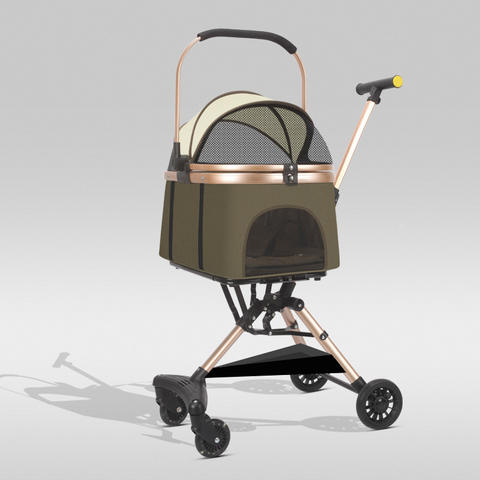
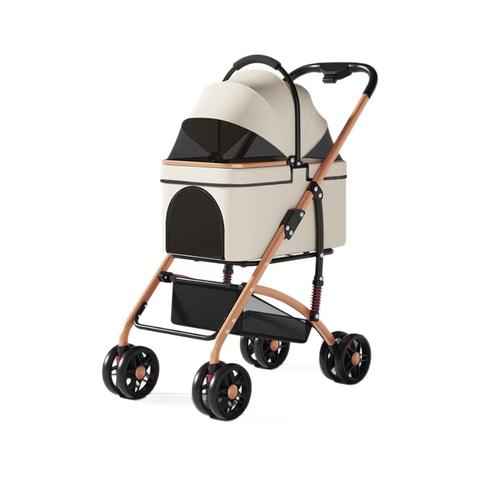
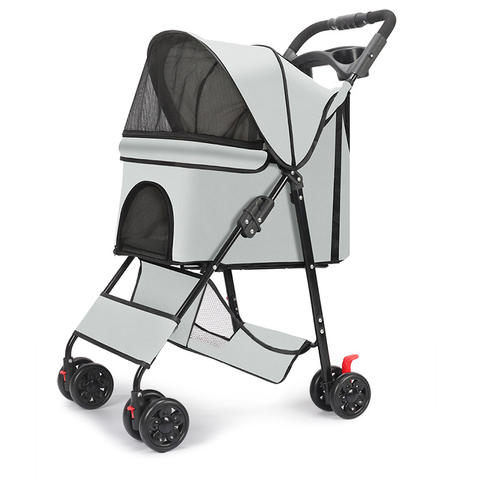
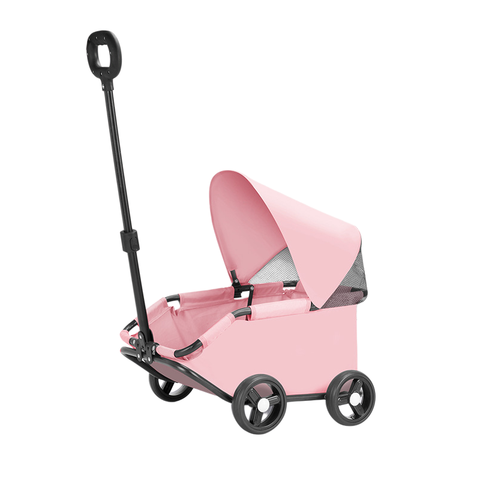
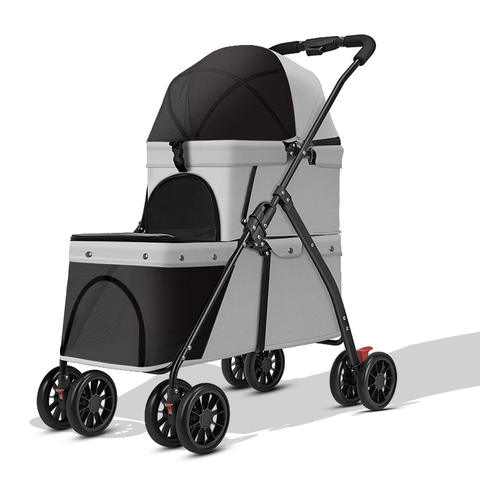
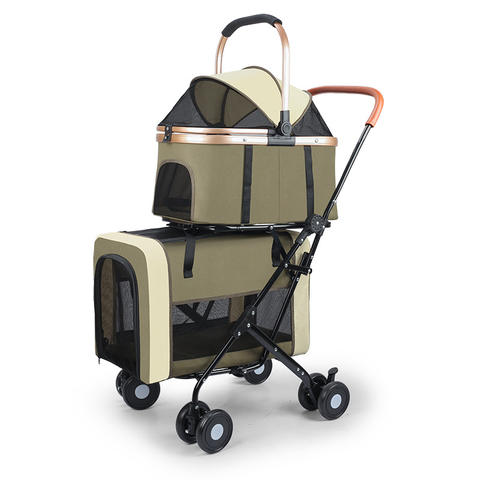
We produce single-deck, double-deck and detachable-carrier strollers with foldable aluminium or steel frames, and assemble them against a specification sheet rather than a single fixed design. That means colour, canopy fabric, wheel size, handle height and the carry cot can all be adjusted between orders.
Every model in this line is quoted from a single piece upward. Small retailers use that to test a market with one carton before committing to a container; distributors use it to build a mixed order across several lines and ship everything together.
The specification variables buyers actually negotiate
Two strollers can look almost identical in a photograph and behave very differently in use. These are the fields worth pinning down in the quotation:
| Field | What to pin down |
|---|---|
| Frame | Aluminium alloy (light, higher cost) vs steel (heavier, lower cost). Folding mechanism: one-hand collapse, two-step, or flat-pack. |
| Wheels | Front-swivel with lock, or fixed. EVA foam (no punctures, firmer ride) vs pneumatic air tyres (softer ride, needs a pump). |
| Canopy | Oxford cloth, waterproof-coated polyester, or mesh. Retractable, detachable, or fixed. UPF rating on the fabric if you sell in strong-sun markets. |
| Berth | Flat or hammock. Removable and washable liners are the single most requested upgrade from pet retailers. |
| Load rating | Stated maximum pet weight. Confirm how the supplier tested it — static load and rolling load are different numbers. |
| Folded size | Matters for cabin-carriage claims, car boots and, above all, your master carton dimensions. |
Matching the model to your market
- North America: larger pets and car-centric trips favour wide berths, pneumatic tyres and a bigger under-basket. Buyers here ask for cup holders and phone pockets — small additions that lift perceived value.
- Western Europe: compact folding dominates. Apartment storage and public transport push buyers toward narrow frames and one-hand collapse; noise and weight matter more than berth size.
- Oceania and coastal markets: fabric durability and UV resistance come first. Canopy coating and frame corrosion resistance decide repeat orders more than price.
- Groomers and veterinary channels: detachable carriers that lift off the frame are the practical choice — the pet stays in the cot from the car to the consulting room.
Materials, testing and documentation
Textiles are the part of a stroller most exposed to regulation. For the EU and UK we work to REACH restrictions on azo colourants and phthalates; for the US the relevant limits sit in CPSIA and state-level programmes. If your market enforces flammability or labelling rules on textile goods, tell us at quotation stage — retro-fitting paperwork after production is expensive.
Mechanically, the failure points are the folding joint, the axle mount and the canopy hinge. We inspect those three on every unit in a pre-shipment check rather than sampling them, because a collapsed stroller in the field costs you the account, not just the unit.
Export packing is planned per model: strollers ship partly folded in a reinforced carton, and we will give you carton dimensions, net and gross weight and units per carton at quotation so you can calculate freight before you buy.
Related supply lines
Buyers sourcing pet strollers usually build a mixed order across Cat Beds & Car Dog Beds · Pet Cages · Pet Clothing & Backpacks — all of which can ship together in one consolidated consignment.